Alex Krause · 26 September 2026
Shifting from Legacy Codebases to Cloud-Native Architectures in Modular Building Platforms
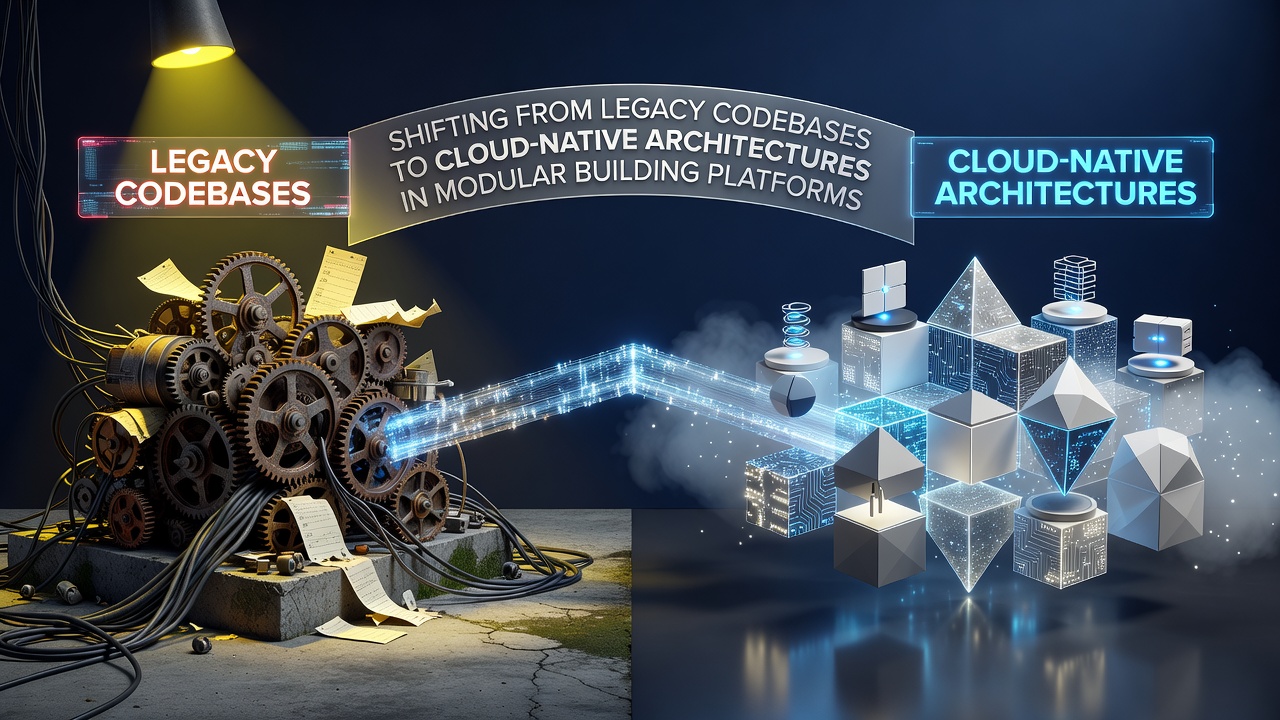
Modular building platforms rely on software systems that coordinate design, fabrication, logistics, and on-site assembly for prefabricated structures, and many of these platforms still operate on legacy codebases that were built years ago as monolithic applications. Those systems often run on on-premises servers with tightly coupled modules that handle everything from inventory tracking to compliance checks, which creates friction when project volumes increase or when teams need to integrate new sensors and IoT devices from construction sites. Researchers have documented how such architectures limit horizontal scaling because each update requires redeploying the entire application rather than isolated components.
Characteristics of Legacy Systems in Modular Construction Software
Legacy codebases in this domain typically feature rigid database schemas that were designed around fixed project templates, making it difficult to accommodate variations in building codes across regions. Data from industry analyses shows that maintenance consumes a large share of developer time because patches must be applied manually across multiple environments, and integration with external partners often depends on custom file exchanges rather than APIs. Observers note that these constraints become especially visible when supply chain disruptions require rapid rerouting of prefabricated modules, since the underlying code cannot dynamically adjust resource allocation without extensive rewrites.
Transition Pathways to Cloud-Native Designs
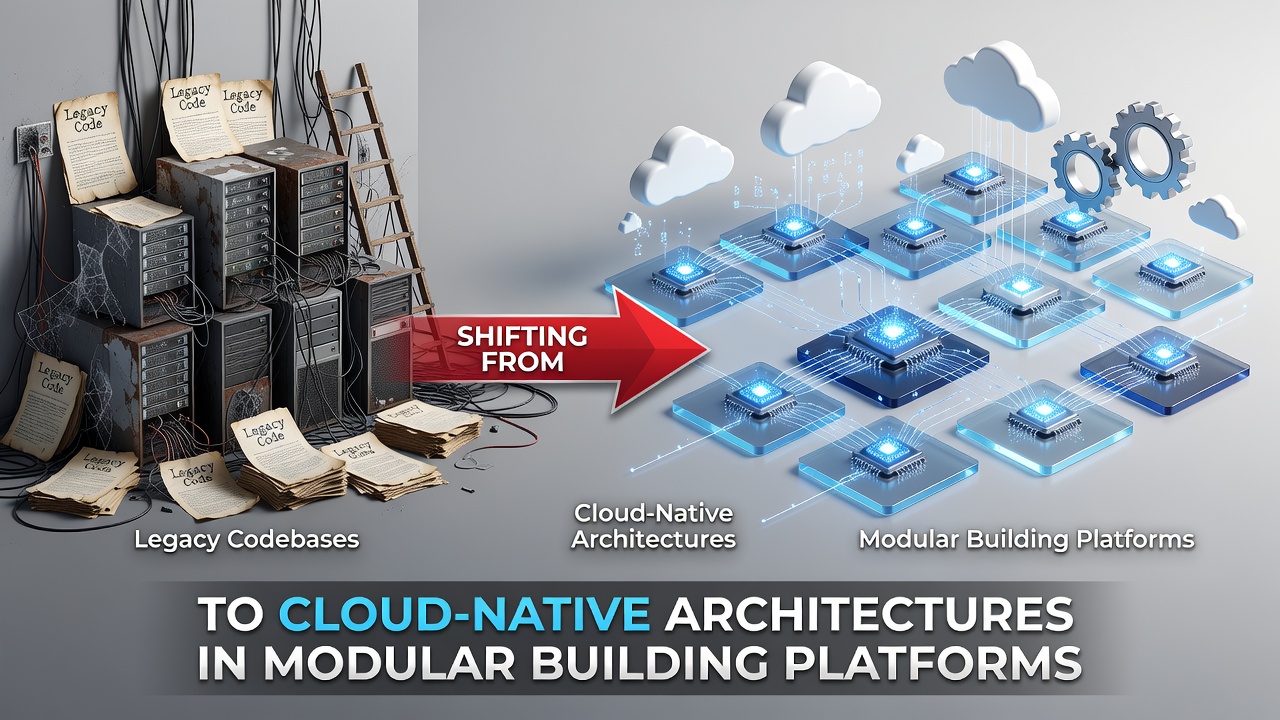
Organizations that have begun the shift adopt container orchestration platforms and microservices that separate concerns such as scheduling, material tracking, and regulatory reporting into independently deployable units. This structure allows teams to scale specific functions during peak fabrication periods while keeping others stable, and it supports continuous deployment pipelines that push small changes without halting ongoing projects. Figures from technology adoption studies indicate that platforms using these patterns report faster response times when incorporating new modular variants or when connecting to third-party logistics providers.
One common approach follows the strangler fig pattern, where new cloud-native services gradually replace sections of the old codebase while both systems run in parallel for a transition period. Engineers route traffic through API gateways that direct requests to either the legacy or the new service based on feature flags, which reduces risk during cutover. Data shows this method has been applied successfully in construction software environments because it preserves existing workflows for field crews who continue to use familiar interfaces until backend components are fully migrated.
Technical Components That Enable the Change
Cloud-native architectures in modular building platforms incorporate managed databases that automatically replicate across availability zones, event-driven functions that trigger when a module passes a quality checkpoint, and service meshes that manage secure communication between design tools and fabrication equipment. These elements work together because they rely on declarative configuration files rather than imperative scripts, allowing infrastructure to be versioned alongside application code. Studies have found that teams using infrastructure-as-code practices experience fewer configuration drift issues when rolling out updates across multiple regional sites.
Security models also evolve during the migration, moving from perimeter-based controls to zero-trust frameworks where every service request is authenticated regardless of origin. According to guidance published by the National Institute of Standards and Technology, this approach aligns with federal cloud security benchmarks and supports audit requirements that many modular construction projects must meet when working on public infrastructure contracts.
Operational Impacts Observed After Migration
Once cloud-native components are in place, reporting cycles shorten because analytics services can query live data streams from fabrication lines instead of waiting for nightly batch exports. Project managers gain access to dashboards that reflect real-time status of module production and delivery, which helps them adjust sequencing when weather or labor shortages affect schedules. Research indicates that these visibility improvements correlate with reduced idle time for crane crews and transport vehicles on active sites.
Collaboration with external stakeholders also changes because standardized APIs replace proprietary file formats, enabling architects and engineers to pull live model updates directly into their design software. This integration has been particularly useful in multi-jurisdictional projects where building code variations must be checked against the latest regulatory databases without manual data transfers.
Developments Reported in September 2026
In September 2026, several industry reports highlighted increased adoption of serverless patterns within modular building platforms, particularly for handling variable workloads such as permit submissions during permitting season peaks. These patterns allow compute resources to activate only when specific events occur, which aligns with the project-based nature of construction work where demand fluctuates. Analysts tracking these trends noted that platforms incorporating such patterns showed measurable reductions in baseline infrastructure costs compared with earlier virtual machine deployments.
Conclusion
The movement from legacy codebases to cloud-native architectures in modular building platforms centers on replacing monolithic structures with composable services that can scale independently and integrate with evolving construction technologies. Evidence from multiple studies demonstrates that organizations completing these transitions achieve greater operational flexibility, improved data accessibility, and stronger alignment with security standards required for large-scale projects. As more platforms complete phased migrations, the sector continues to gain capabilities for handling complex, geographically distributed builds while maintaining traceability across the full lifecycle of each module.